

Maximising Space with a Rear Home Extension
For many homeowners, the rear of the property is the most logical place to extend. It typically offers the most available space, is less likely to impact neighbours and often falls within Permitted Development limits for single storey builds.

Why You Can Trust WME Services
We understand that choosing a construction company is a significant decision. That’s why every project we undertake is backed by proven experience, skilled workmanship, and a commitment to delivering work to the highest standards.



At a glance
But extending outwards doesn’t automatically mean you’ll maximise the space gained. How you design and plan the extension makes all the difference.
This guide explores how to get the most from a rear home extension, whether you’re adding a kitchen-diner, a family room or an entirely new ground floor layout.
Speak to an experienced contractor early in the process to understand what’s achievable on your specific property.
What Can a Rear Home Extension Actually Achieve?
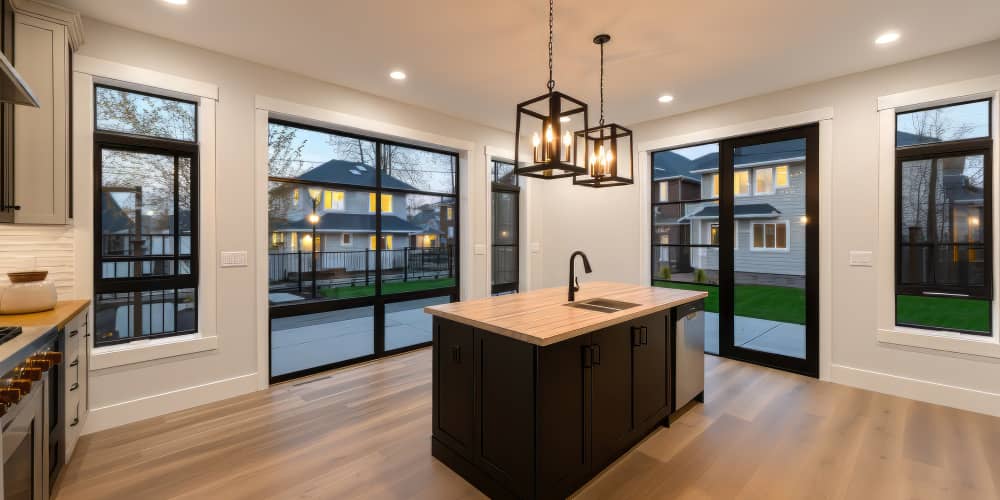
A well-designed rear extension can do much more than simply increase floor area. It can transform the way your ground floor flows, dramatically improve natural light and create a genuine indoor-outdoor connection with your garden. Done well, it changes how you experience your entire home, not just the new room.
Common goals for rear extensions include:
- Creating a larger, open-plan kitchen and dining area
- Adding a family room or snug connected to an existing living space
- Building a utility room or boot room to free up space elsewhere
- Opening up a dark, enclosed kitchen to the garden
- Combining the extension with a full refurbishment of the ground floor
The key is to think beyond the footprint. Adding square metres is the obvious benefit, but the quality of the space, its light, proportions and connection to the rest of the house, matters just as much.
It just takes 60 seconds
And then you can book a free consultation
Does a Rear Extension Require Planning Permission?
Whether you need planning permission depends largely on the size of the extension and your property type. Under Permitted Development rights, single storey rear extensions are allowed up to a certain depth from the original rear wall, provided they meet specific conditions around height and proximity to boundaries.
Key factors that affect whether planning permission is required:
- The depth of the extension from the original rear wall
- The overall height at the eaves and ridge
- Whether the property is detached, semi-detached or terraced
- Whether it falls within a conservation area or is a listed building
- Whether any prior extensions have already used up your Permitted Development allowance
For larger rear extensions, a prior approval process may apply, which involves notifying the local planning authority but is less involved than a full planning application. Your builder can help you confirm which route applies to your property.
If you’re considering a rear home extension and want to understand your permitted development rights, request a consultation with the WME Services team.
How to Maximise Space in a Rear Extension
Getting the most from your rear extension is about more than size. Thoughtful design decisions at the planning stage translate directly into a more functional and enjoyable space.
| Design Decision | Space-Maximising Benefit |
| Knocking through to existing rooms | Creates open-plan flow and removes redundant circulation space |
| Full-width rear glazing (bifold or slide-and-fold doors) | Opens the space to the garden, making rooms feel larger |
| Roof lanterns or skylights | Brings daylight into the centre of the room |
| Built-in storage and utility space | Keeps the main living area clean and uncluttered |
Combining your rear extension with broader refurbishment works, knocking down internal walls, reconfiguring the ground floor layout and upgrading kitchens or bathrooms — is one of the most effective ways to maximise the overall impact of the project.
Working With the Existing Structure
One challenge that often surprises homeowners is how the existing structure can limit or influence what’s possible at the rear of the property. Party walls, existing drainage runs, structural beams and the position of existing openings all need to be considered.
A structural engineer will typically be required to specify any new steel beams needed to support openings between the extension and the existing building. This is especially relevant when you want to knock through a full-width opening to create an open-plan layout. The cost of a structural engineer and the steelwork involved should be factored into your budget from the start.
It’s also worth checking the condition of your existing roof and external walls at the point where the extension will connect. Any deterioration should be addressed during the build to avoid problems later.
Final Thoughts
A rear home extension is one of the most effective ways to unlock the potential of your ground floor. Combined with thoughtful internal design, the right glazing choices and a quality build, it can genuinely transform your home.
WME Services delivers rear extensions across Stourbridge and throughout the West Midlands, bringing over 16 years of experience and a combined team expertise of more than 75 years to every project. Contact our team today to discuss your rear extension plans and take the first step towards a better home.
Related articles
-
How to Budget for Your Home Extension Project
Budgeting for a home extension is one of the areas homeowners tend to feel least prepared for. It’s not just about the build cost, there are professional fees, planning costs, internal fit-out expenses and contingency funds to factor in.
-
Top Tips for Designing Your Dream Home Extension
Designing a home extension is an exciting stage, but it can also feel overwhelming once you start weighing up all the options.
-
Planning a Home Extension: What You Need to Know
Extending your home is one of the most rewarding investments you can make as a homeowner. Whether you’re craving more space for a growing family, a dedicated home office or a larger open-plan kitchen, a well-planned extension can completely transform how you live.