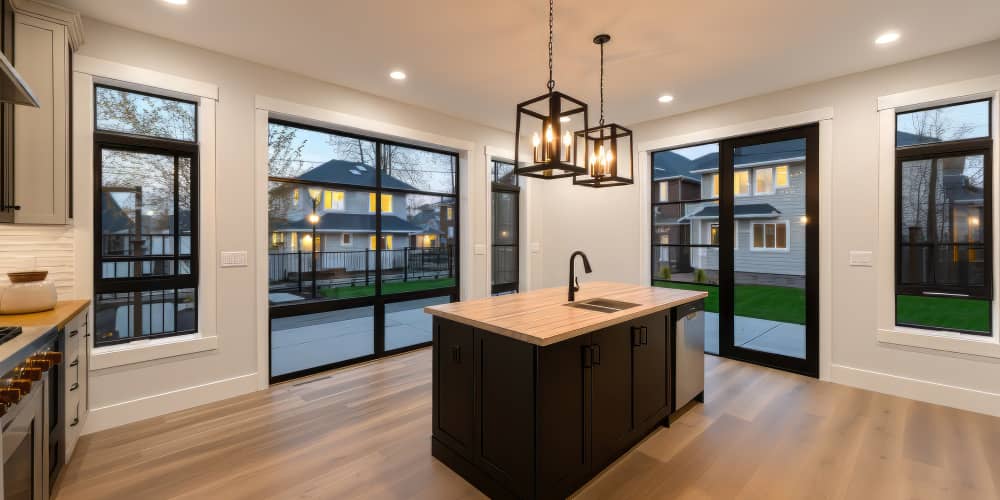

Planning a Home Extension: What You Need to Know
Extending your home is one of the most rewarding investments you can make as a homeowner. Whether you’re craving more space for a growing family, a dedicated home office or a larger open-plan kitchen, a well-planned extension can completely transform how you live.

Why You Can Trust WME Services
We understand that choosing a construction company is a significant decision. That’s why every project we undertake is backed by proven experience, skilled workmanship, and a commitment to delivering work to the highest standards.




At a glance
But before the first brick is laid, there are several important steps to work through, from understanding planning rules to choosing the right contractor.
This guide walks you through the key considerations so you can approach your home extension project with confidence.
If you’d like expert guidance before committing to anything, speak to a specialist to discuss your options and get a clear picture of what’s involved.
Do You Need Planning Permission for a Home Extension?
This is one of the first questions homeowners ask, and the answer depends on a few factors. Many single storey extensions fall under Permitted Development rights, meaning you may not need formal planning permission at all. However, the rules vary depending on the size of the extension, your property type and whether you live in a conservation area.
As a general rule:
- Single storey rear extensions can often proceed under Permitted Development if they stay within set size limits
- Double storey extensions are more likely to require full planning permission
- Properties in designated areas (conservation zones, listed buildings) have stricter controls
- Any extension that significantly alters the appearance of the front of the property will usually require approval
It’s always worth checking with your local planning authority before proceeding. A knowledgeable builder can also help you navigate this early on, saving you time and avoiding costly mistakes.
Building Regulations Are Not Optional
It just takes 60 seconds
And then you can book a free consultation
Even when planning permission isn’t required, your extension must still comply with Building Regulations. These rules exist to ensure the structure is safe, energy efficient and fit for purpose. Building Regulations cover everything from the foundations and structural integrity to insulation, drainage, fire safety and ventilation.
Your builder will typically manage this process on your behalf, working alongside a Building Control officer who will inspect the work at key stages. At the end of the project, you’ll receive a completion certificate, an important document that proves the work was carried out to the required standard. This certificate is also something future buyers and mortgage lenders will often ask to see, so it shouldn’t be overlooked.
Choosing the Right Type of Extension
Not all extensions are the same. The type that suits your property and your needs will depend on your layout, your budget and the space available. Here’s a quick overview of the most common options:
| Extension Type | Best Suited To | Key Consideration |
| Single Storey Rear | Ground floor space, kitchens, living rooms | Simpler to build, often Permitted Development |
| Double Storey | Adding bedrooms as well as ground floor space | Greater planning involvement, larger project |
| Kitchen Extension | Open-plan dining and living spaces | Often tied into refurbishment works |
| Wrap Around | Combining rear and side returns | Maximum space gain, more complex build |
Understanding which type of extension best suits your goals is a crucial first step.
For tailored advice on the type of extension that suits your property, request a bespoke quote from the WME Services team.
What Should You Look for in an Extension Builder?
Choosing the right contractor is arguably the most important decision in the whole process. Look for a builder who is transparent, experienced and properly accredited. Membership of schemes such as CHAS and Constructionline demonstrates that a company has been assessed for quality, health and safety compliance and professional standards.
Key things to look out for include:
- Proven experience with similar projects in your area
- A clear contract outlining the scope of work, timeline and payment schedule
- Verifiable reviews and a portfolio of completed projects
- Proper insurance and public liability cover
- A team that communicates clearly throughout the project
WME Services has over 16 years of experience in home extensions across the West Midlands, with a team whose combined expertise spans more than 75 years. That depth of knowledge makes a genuine difference on every project.
A Typical Extension Project: What to Expect
Consider a semi-detached property in Bromsgrove where the homeowners wanted to extend their ground floor to create a larger kitchen and dining area. The existing kitchen had become too small for a growing family, and the utility room layout wasn’t working efficiently.
After an initial survey, it was confirmed the project would fall under Permitted Development, removing the need for a formal planning application. Building Regulations approval was submitted and the build proceeded in a structured sequence — groundworks, structural frame, roofing, external finishes and then the internal fit-out including plumbing and electrics.
The project concluded with a Building Control sign-off and the family gained a bright, functional kitchen-diner that transformed their daily routine. Projects like this are common across the West Midlands, where properties lend themselves well to rear and side extensions.
Final Thoughts
Planning a home extension doesn’t have to be overwhelming. With the right builder by your side and a clear understanding of the planning and building regulations process, you can move forward with confidence. Take your time during the planning phase, ask the right questions and choose a contractor whose experience and accreditations you can trust.
WME Services specialises in home extensions across Bromsgrove and the surrounding West Midlands area. To find out more about how we can help bring your project to life, contact our team today to discuss your requirements.
Related articles
-
Maximising Space with a Rear Home Extension
For many homeowners, the rear of the property is the most logical place to extend. It typically offers the most available space, is less likely to impact neighbours and often falls within Permitted Development limits for single storey builds.
-
How to Budget for Your Home Extension Project
Budgeting for a home extension is one of the areas homeowners tend to feel least prepared for. It’s not just about the build cost, there are professional fees, planning costs, internal fit-out expenses and contingency funds to factor in.
-
Top Tips for Designing Your Dream Home Extension
Designing a home extension is an exciting stage, but it can also feel overwhelming once you start weighing up all the options.