
Top Tips for Designing Your Dream Home Extension
Designing a home extension is an exciting stage, but it can also feel overwhelming once you start weighing up all the options.

Why You Can Trust WME Services
We understand that choosing a construction company is a significant decision. That’s why every project we undertake is backed by proven experience, skilled workmanship, and a commitment to delivering work to the highest standards.



At a glance
Layout, natural light, materials, roof styles and how the new space connects to your existing home, there are a lot of decisions to make. The good news is that with the right approach and the right team around you, you can design an extension that genuinely improves how you live.
Whether you’re planning a single storey kitchen extension or something more ambitious like a double storey or wrap around build, these tips will help you make smarter design choices from the outset.
To get expert input early in the design process, speak to an experienced extension specialist who can guide you through your options.
What Are the Most Important Things to Consider When Designing an Extension?
Before you settle on anything, it’s worth stepping back and thinking about how you actually use your home. The best extensions aren’t just bigger versions of what you already have; they’re designed to solve specific problems and improve everyday life.
Start by asking yourself:
- What problem am I trying to solve? (more space, better flow, natural light)
- How will the new space connect to the existing rooms?
- Will I need to carry out any internal remodelling at the same time?
- How important is kerb appeal and the external appearance?
- Do I want the extension to blend in or stand out as a contrast?
Getting clear on your priorities early will make every design decision easier and help you communicate your vision clearly to your builder or designer.
It just takes 60 seconds
And then you can book a free consultation
Getting Natural Light Right
One of the most common design oversights in home extensions is underestimating how important natural light is. An extension that feels dark and disconnected from the garden won’t be enjoyed, no matter how well it’s built. There are several ways to bring light into your new space.
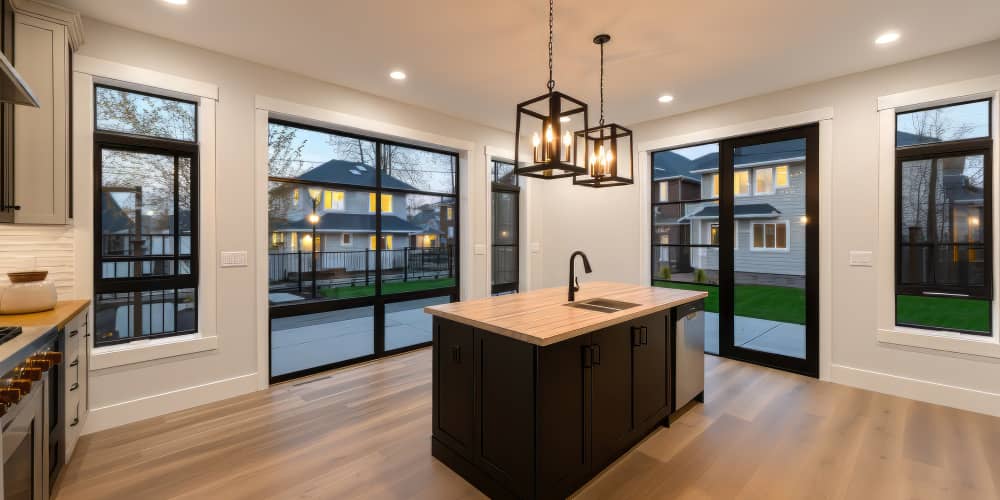
Roof lanterns and skylights are a popular choice for flat or low-pitched roof extensions, allowing daylight to flood in without compromising wall space. Full-width bifold or sliding patio doors create a seamless connection between indoors and outdoors, making a room feel larger and lighter. Tall windows or clerestory glazing can also introduce light while maintaining privacy from neighbouring properties.
The orientation of your property matters too. A south-facing rear extension will benefit from natural sunlight throughout the day, while a north-facing one may need more considered glazing to compensate.
If you’d like expert advice on designing your extension for maximum light and functionality, request a bespoke quote from WME Services.
Think About the Internal Layout Carefully
The internal layout of your extension has just as much impact as the exterior design. Consider how the new space will flow from your existing rooms and whether any internal walls will need to come down to make the connection work.
Open-plan layouts have been popular for years because they create a sense of space and make the most of available light. However, they’re not right for every household. If you work from home or have young children, some degree of separation between living, dining and kitchen areas may actually suit you better.
It’s also worth thinking about where utilities like sockets, radiators and underfloor heating will sit. These decisions are much easier to make at the design stage than they are once the build has started. A good contractor will walk you through these practical considerations before work begins.
Final Thoughts
Great extension design comes down to thinking carefully about light, layout, materials and how your new space will connect to the rest of your home. Investing time in the design phase pays dividends throughout the build and for years afterwards.
WME Services works with homeowners across Harborne and the wider West Midlands, delivering extensions that are thoughtfully designed and built to the highest standard. Get in touch with our team today to start planning your dream extension.
Related articles
-
Maximising Space with a Rear Home Extension
For many homeowners, the rear of the property is the most logical place to extend. It typically offers the most available space, is less likely to impact neighbours and often falls within Permitted Development limits for single storey builds.
-
How to Budget for Your Home Extension Project
Budgeting for a home extension is one of the areas homeowners tend to feel least prepared for. It’s not just about the build cost, there are professional fees, planning costs, internal fit-out expenses and contingency funds to factor in.
-
Planning a Home Extension: What You Need to Know
Extending your home is one of the most rewarding investments you can make as a homeowner. Whether you’re craving more space for a growing family, a dedicated home office or a larger open-plan kitchen, a well-planned extension can completely transform how you live.